Email marketing is one of the best ways for your restaurant to keep in touch with customers, grow loyalty, and drive return visits.
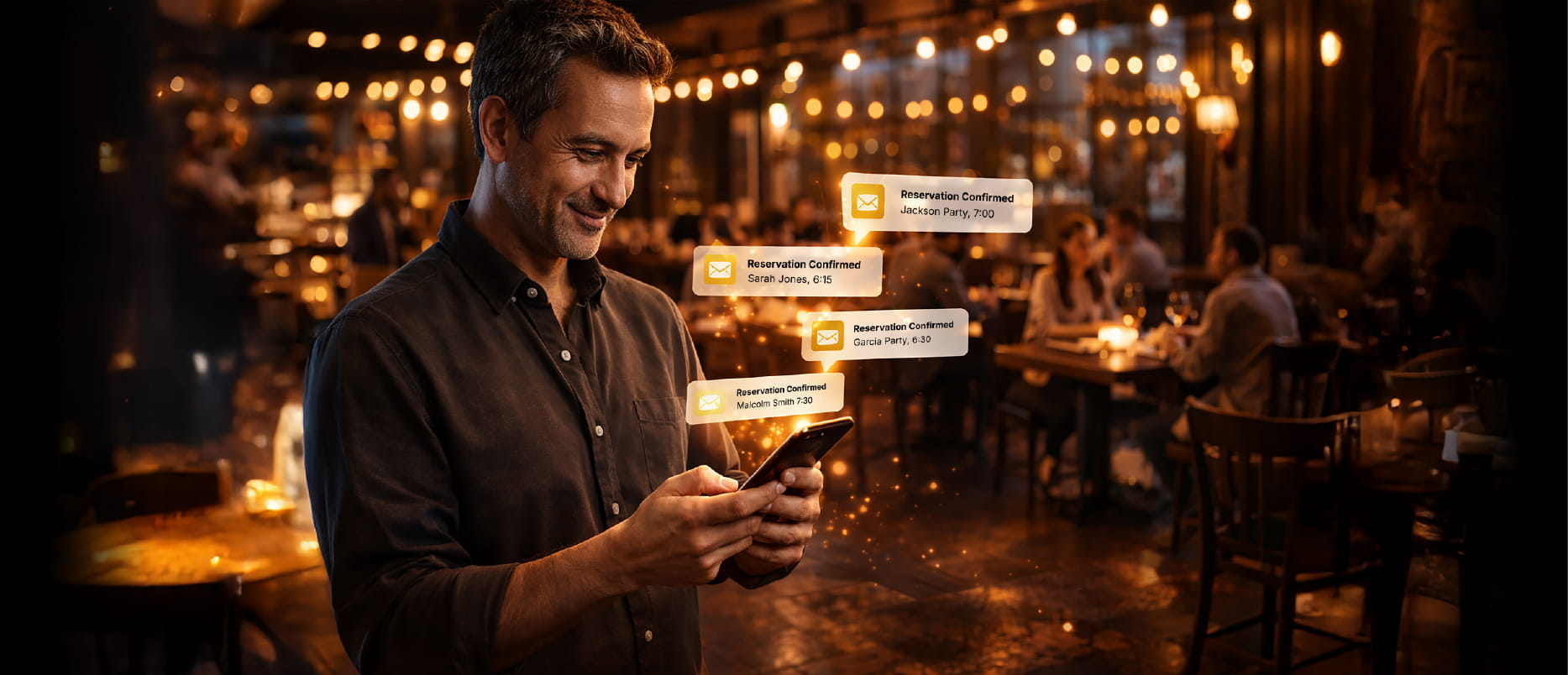
Timely emails can drive same-day traffic by giving customers a great reason to come in, like a new special or offer
The best-performing restaurants don’t rely on one-off campaigns—they use consistent systems
Your email list is a marketing asset you own, unlike social media followers
Automated campaigns can drive repeat visits without adding to your workload
The best-performing restaurants treat email like a regular check-in, not a last-minute promotion.
Running a restaurant means juggling a hundred priorities. Marketing often gets pushed to the margins.
That’s exactly why email marketing works so well. Done right, it doesn’t rely on constant attention. It runs in the background—keeping your restaurant top of mind, bringing guests back, and helping smooth out slow nights before they become a problem.
But here’s where many restaurants get stuck. They don’t lack tools. They lack a system.
Emails get sent occasionally. Promotions happen randomly. Guest data sits in different places.
And the result is predictable.
Guests who already know and like your restaurant slowly forget to come back. Meanwhile, the restaurant down the street—with a more consistent approach—fills those seats first.
What Is Email Marketing for Restaurants?
Email marketing for restaurants is the practice of collecting guest emails and sending targeted messages, like promotions, events, and updates, to bring diners back and increase repeat visits.
On its own, email is one of the most effective ways to message your customers. What actually drives results is how email fits into a larger marketing system—one that consistently captures guest data, follows up automatically, and keeps your restaurant visible between visits.
Because staying connected once isn’t enough. Consistency is what brings people back.
Why Email Marketing Works for Restaurants
Email gives you a direct line to past guests—people who already know your food, your space, and your experience.
Unlike social media, email doesn’t rely on algorithms. Your message lands directly in your guest’s inbox.
Restaurant emails average around a 20–25% open rate, meaning a meaningful portion of your audience is actively paying attention.
Email works especially well for:
Filling slow nights
Promoting catering and private events
Reinforcing loyalty programs
Staying connected between visits
How Restaurants Grow an Email List (Without Extra Work)
The strongest email lists don’t come from one sign next to the register. They come from built-in systems that capture guest information automatically.
That means:
Website signups
Online orders and reservations
QR codes in-store
Wi-Fi login capture
When these touchpoints are connected, your list grows naturally, without extra effort from your team.
Guests are happy to share their email when there’s clear value, like:
Birthday rewards
Exclusive offers
Early access to events
Just as important: maintaining your list.
Remove inactive contacts
Avoid over-sending
Focus on engagement, not size
A smaller, active list will outperform a larger, inactive one every time.
What Types of Restaurant Emails Actually Bring Guests Back?
The most effective emails aren’t complicated. They’re timely, relevant, and consistent.
High-performing email types include:
Seasonal specials
Slow-night promotions
Catering and private event reminders
Loyalty rewards and birthday offers
Holiday updates
But what matters most isn’t the type of email.
It’s that they’re sent consistently and at the right time. The best-performing restaurants treat email like a regular check-in, not a last-minute promotion.
How Often Should Restaurants Send Marketing Emails?
For most restaurants, 1–2 email power week is the right rhythm. That’s enough to stay visible without overwhelming your guests.
But frequency only works if it’s consistent. Random emails don’t build habits. Systems do.
Focus on:
Open rate
Click rate
Unsubscribes
And keep emails:
Short
Mobile-friendly
Easy to scan
What Goes Into a Great Email?
The highest-performing emails are simple:
A subject line with one clear message
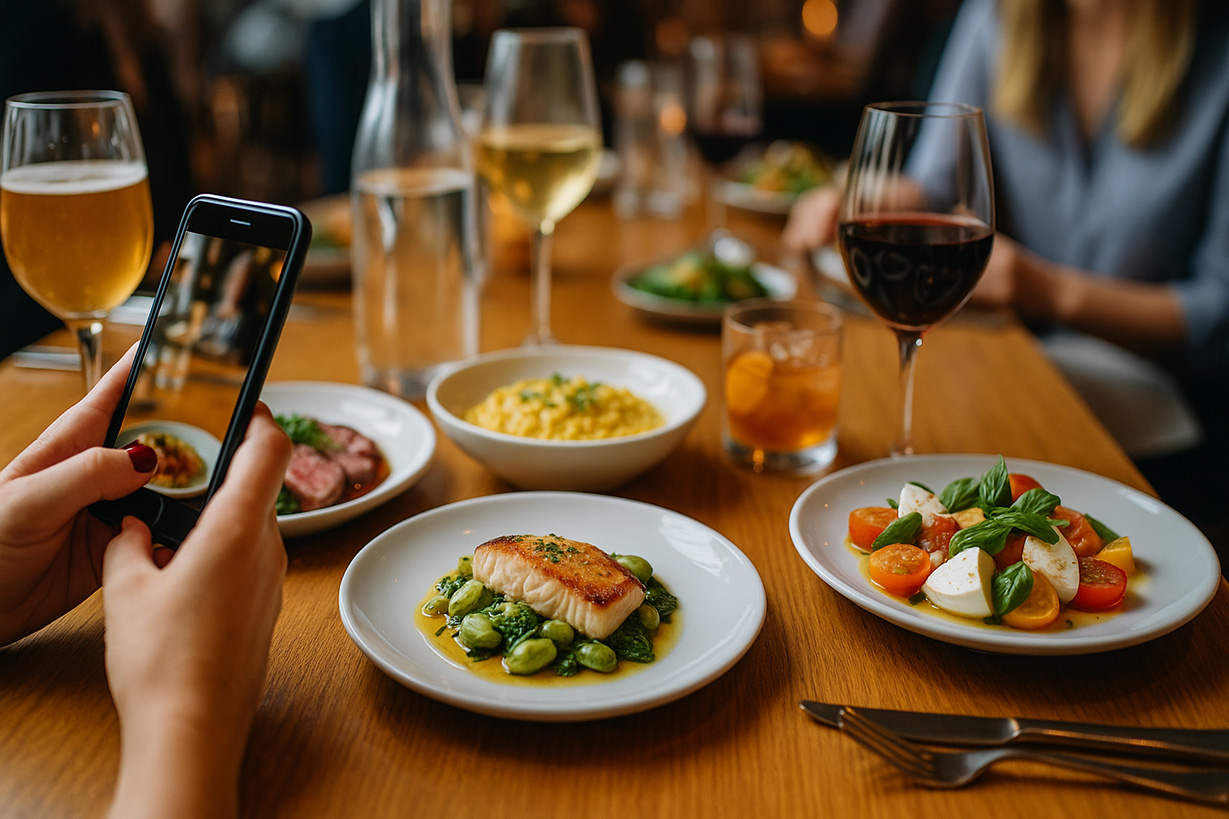
One strong food photo Alt: Gorgeous photos of your food
One clear call-to-action (CTA)
A CTA is the ONE action you want your customer to take. Some examples:
Reserve a Table
View the Menu
Claim Your Reward
Book a Private Event
Clear calls to action turn attention into reservations.
Can Restaurant Email Marketing Be Automated?
Yes—and this is where email becomes truly powerful. Automation turns email from a task into a system.
Instead of relying on memory or time, your marketing runs continuously in the background. That’s how restaurants move from reactive marketing to predictable results.
How SpotHopper Makes Email Marketing—and Everything Around It—Work Together
SpotHopper is built to solve exactly this problem.
Instead of giving you another tool, it creates a connected marketing system that helps you:
Collect guest emails automatically
Send consistent, thoughtful campaigns
Stay visible across Google, your website, and reviews
Turn guest data into repeat visits
Everything works together. So instead of wondering when to send your next email, your marketing is already working in the background.
Book a demo to see how SpotHopper can turn your marketing into a system—not just another task.
Frequently Asked Questions
Why is email marketing still effective for restaurants?
Email marketing works because it connects directly with past guests who already know your restaurant. Unlike social media, messages go straight to the inbox, making it one of the most reliable ways to drive repeat visits.
How can email marketing help fill slow nights?
Restaurants can send targeted promotions—like weekday specials or limited-time offers—to past guests, encouraging visits during slower periods and increasing overall traffic.
How often should restaurants send emails?
Most restaurants see strong results sending 1–2 emails per month. This keeps your brand visible without overwhelming guests.
What types of emails bring guests back?
Seasonal specials, events, loyalty rewards, birthday offers, and catering reminders are some of the most effective emails for driving repeat visits.
How do restaurants grow an email list?
Restaurants grow their email lists by capturing emails through websites, reservations, online orders, in-store QR codes, and loyalty programs—while offering value like rewards or exclusive access.
Is email marketing better than social media for restaurants?
Email and social media serve different roles, but email is more reliable for driving repeat visits because you own the audience and aren’t dependent on algorithms.
Can email marketing increase repeat customers?
Yes. Email marketing is one of the most effective ways to increase repeat visits by staying top-of-mind and encouraging guests to return.
What should a restaurant’s email include?
A strong email includes one clear message, one compelling image, and one call-to-action—such as reserving a table or viewing the menu.
Keep learning about Restaurant AI Marketing + Restaurant Customer Retention
Restaurant AI Marketing
What Restaurant Marketing Should Look Like When AI Is Doing the Work
Signal sentence: AI in marketing solves a key pain point for owners by automating email, social media, SMS, and other channels into one cohesive system.
What Is SMS Marketing for Restaurants? (Examples, Benefits, and Best Practices)
Most restaurants don’t have a messaging problem. They have a disconnected marketing system. Here’s how SMS works best when it’s part of something bigger.
AI in Restaurant Marketing: How to Fill More Tables Without More Work
AI in restaurant marketing helps restaurants fill more tables by improving online visibility, automating guest marketing, and converting website traffic into reservations.